
THE BAG CHARGE
At least 10p, any shop
Every retailer in England must charge at least 10 pence for a new single-use carrier bag: plastic, 70 microns thick or less, with handles.
Check an item doodleplastics
WHAT THE RULES SAY
England charges for thin carrier bags and bans some single-use plastics outright.
Check an item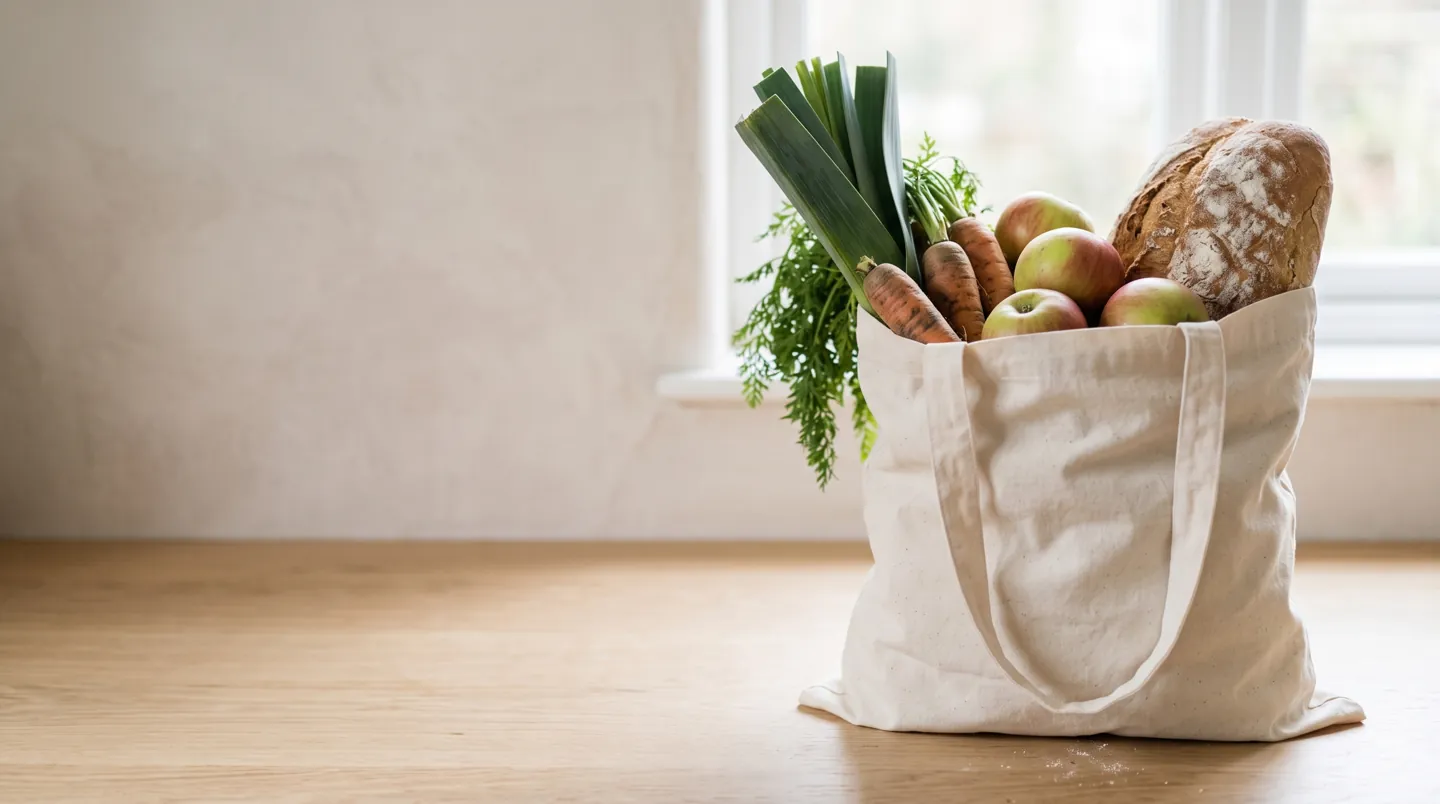
10pper thin carrier bag
Since 2015 shoppers have paid for single-use carrier bags, now at least 10p everywhere. Since 1 October 2023 plastic cutlery, balloon sticks and polystyrene takeaway containers have been banned, and plates, straws and cotton buds restricted.
Updated
THE SHORT ANSWER
Two sets of rules, both in England.
One charges, the other bans or restricts.
THE BAG CHARGE
Every retailer in England must charge at least 10 pence for a new single-use carrier bag: plastic, 70 microns thick or less, with handles.
Check an itemTHE BANS
Single-use plastic cutlery, drinks stirrers, balloon sticks and polystyrene food and drink containers cannot be sold or supplied, with no exemptions.
See the numbersTHE RESTRICTIONS
Cafés and pubs can still hand out single-use plastic straws, but only if you ask, and must keep them out of sight. Plates, bowls and cotton buds have rules too.
What you can doA QUICK ITEM CHECK
Pick an everyday item to see how the rules in England treat it. The bar shows how strict the rule is.
Based on GOV.UK guidance for retailers on carrier bag charges and on single-use plastics bans and restrictions. Rules differ in Scotland, Wales and Northern Ireland.
TWO NUMBERS WORTH KNOWING
One figure from a decade of bag data,
one from the case for the 2023 ban.
98%
Fall in single-use bags sold by the main supermarkets since 2014
WRAP reported 7.6 billion single-use bags from the main retailers in 2014. In 2025 to 2026 they sold 126 million. All reporting retailers together sold 399 million, about 7 bags per person.
CARRIER BAGS · DEFRA 2025 TO 2026
2.7 billion
Single-use cutlery items used in England each year
Defra said people in England use 2.7 billion items of mostly plastic single-use cutlery and 721 million single-use plates a year, and only 10% of these are recycled.
CUTLERY · DEFRA 2023
Bag figures for 2020 to 2021 are not comparable because of the pandemic. Since the charge began, retailers have reported donating over £234 million of proceeds to good causes.

FOUR EVERYDAY HABITS
None of the rules ask shoppers to do anything, but they change what you will be offered. These habits follow what the guidance allows.
A multiple-reuse bag sold for 10p or more can be replaced free when worn out, if the shop runs a returnable scheme.
Defra's guidance points to reusable options such as a durable cutlery set with a travel case.
Cafés and pubs keep plastic straws out of sight. Ask if you need one; straws for medical purposes are also exempt.
If a shop or takeaway is breaking the rules, GOV.UK says to contact your local council, which carries out inspections.
WHAT COUNTS AS PLASTIC
The bans and restrictions cover all types of single-use plastic, including biodegradable, compostable and recycled plastic, and items partly made from plastic, such as those with a plastic coating or lining.
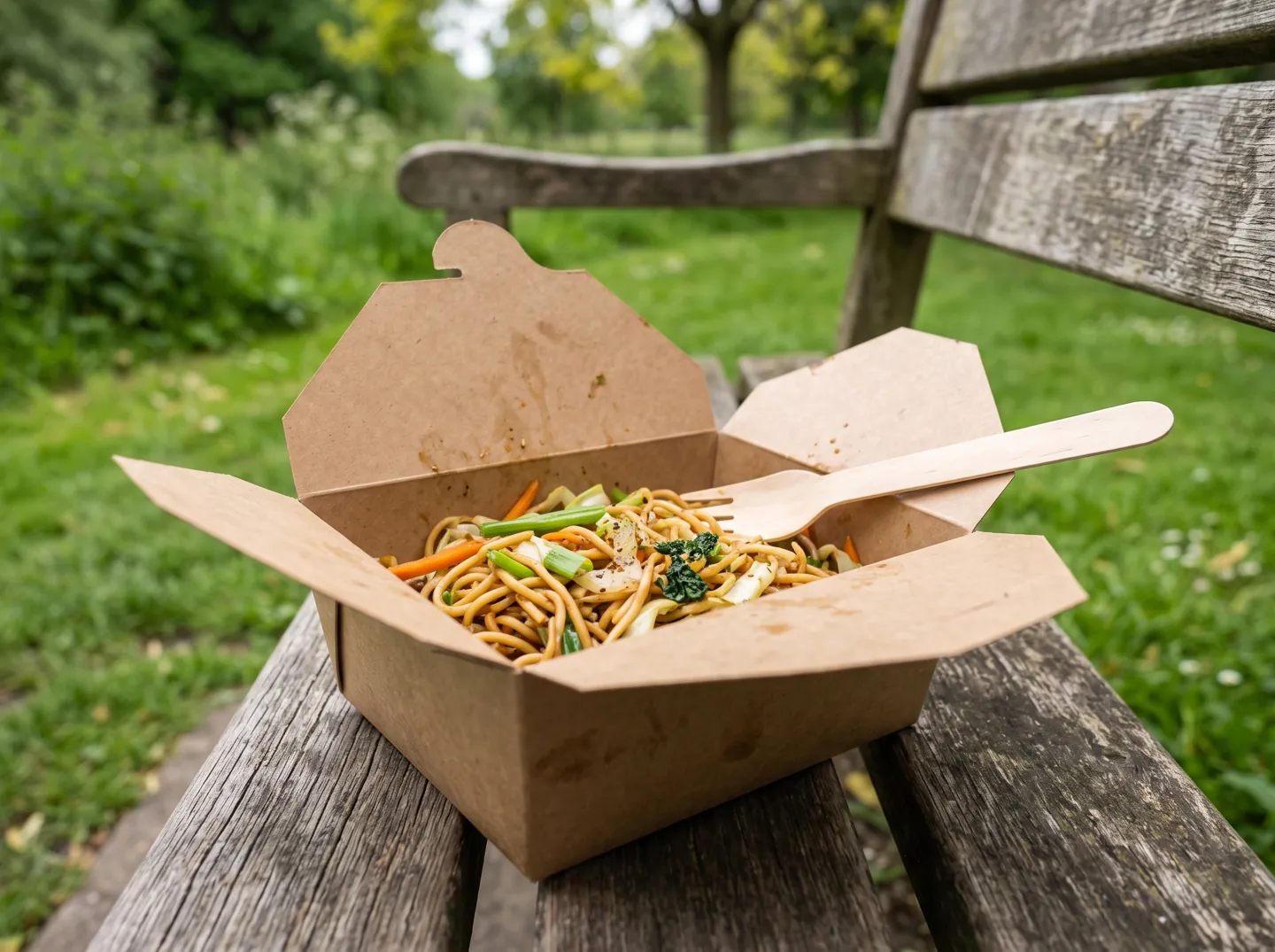
A product counts as single-use if it is not designed or intended for reuse. A business cannot simply relabel an unchanged single-use item as reusable. Single-use items made from other materials, such as wood or paper, are allowed.
Questions
At least 10 pence per single-use carrier bag, including VAT. The charge began at 5 pence for large retailers on 5 October 2015 and was raised to 10 pence and extended to all businesses from 21 May 2021.
Single-use plastic drinks stirrers, balloon sticks, cutlery and expanded or extruded polystyrene food and drink containers. Plates, bowls, trays, straws and cotton buds are restricted, with exemptions.
The bans and restrictions on single-use plastic cutlery, balloon sticks, polystyrene cups and food containers, and plates, trays and bowls came into force on Sunday 1 October 2023.
Yes. GOV.UK says that where reusable options are not appropriate, businesses can supply single-use items made from other materials such as wood or paper.
Large retailers must report what they do with net proceeds, and the government expects them to be donated. Retailers have reported donating over £234 million to good causes since the charge began.
ABOUT THIS NAME
doodleplastics.com is part of the DoodleSale portfolio. It isn't in an auction right now, but you can ask about leasing it.